Speed and Wave Sensing: How New Alarms Ignore the Weather
Alarms used to react to any movement. The newest ones look at how the line moves, so wind, swell and undertow stop waking you at 3am.
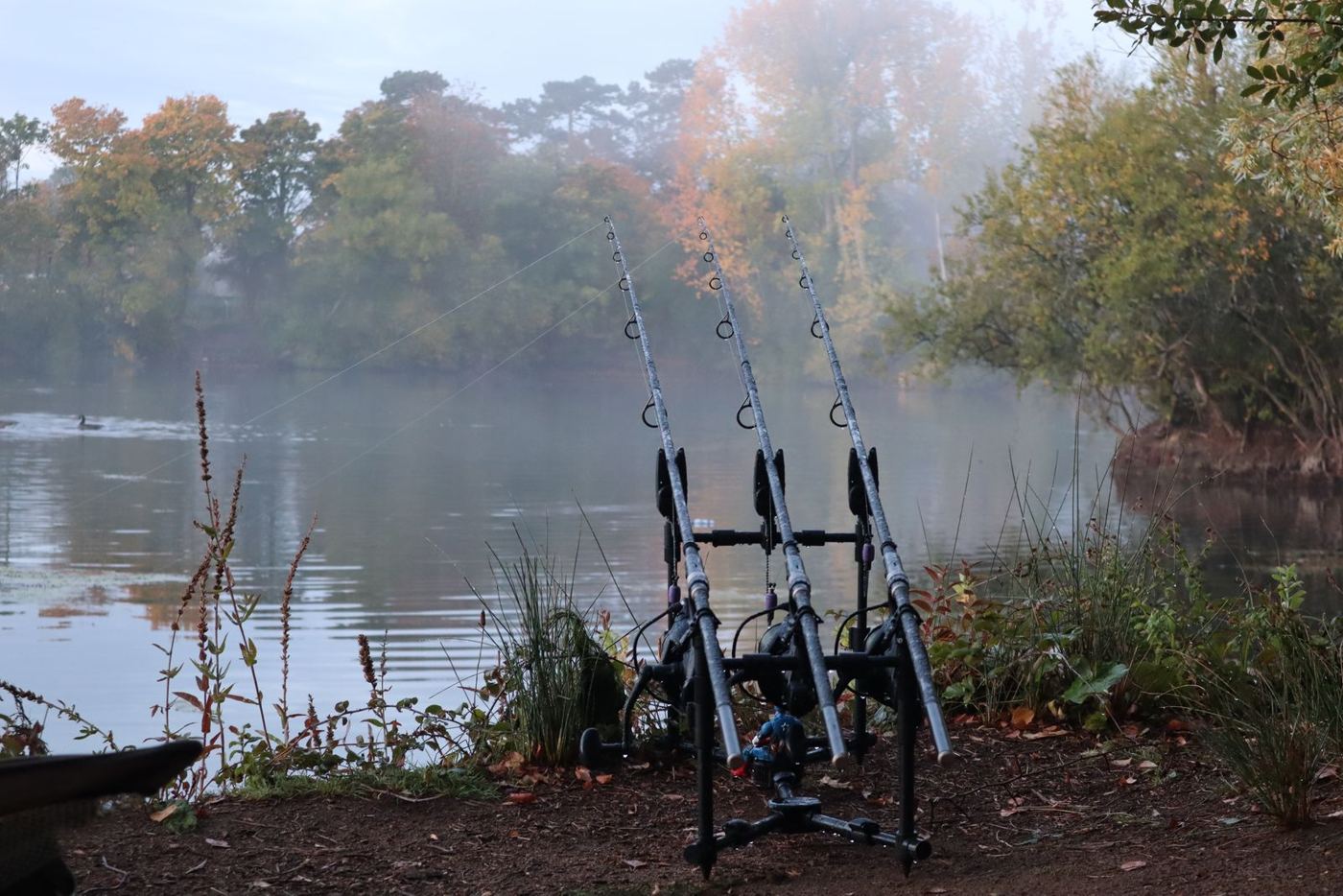
For most of their history, bite alarms have worked on a simple rule: line moves, alarm bleeps. That's fine on a sheltered lake. On a big, windswept water, or fishing from a boat, it means a night of single bleeps from waves dragging the line back and forth. The newest flagship alarms tackle this by looking not just at whether the line moved, but at how.
The problem: not every movement is a fish
On exposed water, swell and undertow pull line across the alarm in a regular rhythm. Strong wind plucks at the line between rod tip and water. Drifting weed catches it. A traditional roller alarm counts every one of those movements, and a sensitive vibration alarm may react to even more. Anglers have always fought back with heavier indicators and lower sensitivity, but turning sensitivity down risks missing a cautious take.
Speed-responsive sensing
Nash built its Siren R3 around speed-responsive indication, and the Siren R4 develops the idea. Rather than treating all line movement the same, the alarm pays attention to how fast the line is moving. A fish picking up a bait and bolting moves line quickly and steadily; a wave nudging it does not. By responding to speed, the alarm can give you more information about a real take while staying quieter for the slow, small movements that so often turn out to be nothing.
Wave sensing
The second idea is to recognise the back-and-forth pattern of line in a swell. Nash's wave sensing mode on the R4 is designed for exactly this, and Nash describes the goal as screening out "non-events" to a degree no alarm has managed before. The alarm still sounds when the pattern breaks, as it does when a fish takes line steadily in one direction.
Trakker approaches the same problem with Intelli-Sense Mode (ISM) on the DB7-R, which it says eliminates false indication in rough weather and when boat fishing.
How it compares with older fixes
| Approach | How it reduces false bleeps | Trade-off |
|---|---|---|
| Lower sensitivity | Needs more movement before a bleep | May miss small, genuine indications |
| Heavier indicator | Holds the line still against the sensor | Less visible drop-backs at short range |
| Speed-responsive sensing | Responds to how fast line moves | Needs learning; flagship price |
| Wave sensing / ISM | Filters regular back-and-forth movement | Best used only when conditions call for it |
Does it replace good set-up?
No. A well-placed rod, a straight line path and the right indicator weight still matter, and our set-up guide covers them. Think of speed and wave sensing as an extra tool for difficult conditions: switch it on when the wind gets up and the swell builds, and you should hear fewer bleeps that aren't fish.
Who should care?
If you mostly fish small, sheltered venues, a good conventional alarm does the job. If you fish big reservoirs, gravel pits that catch the wind, European lakes or from a boat, alarms built to ignore wave action are one of the most meaningful upgrades in recent years. Compare the options in our sensing guide.