
Bite alarm guides
Bite alarm guides: what the specs really mean
Start with how an alarm senses a take, then work through receivers, batteries, set-up and buying. Every guide is written for UK carp and specimen anglers.
 01
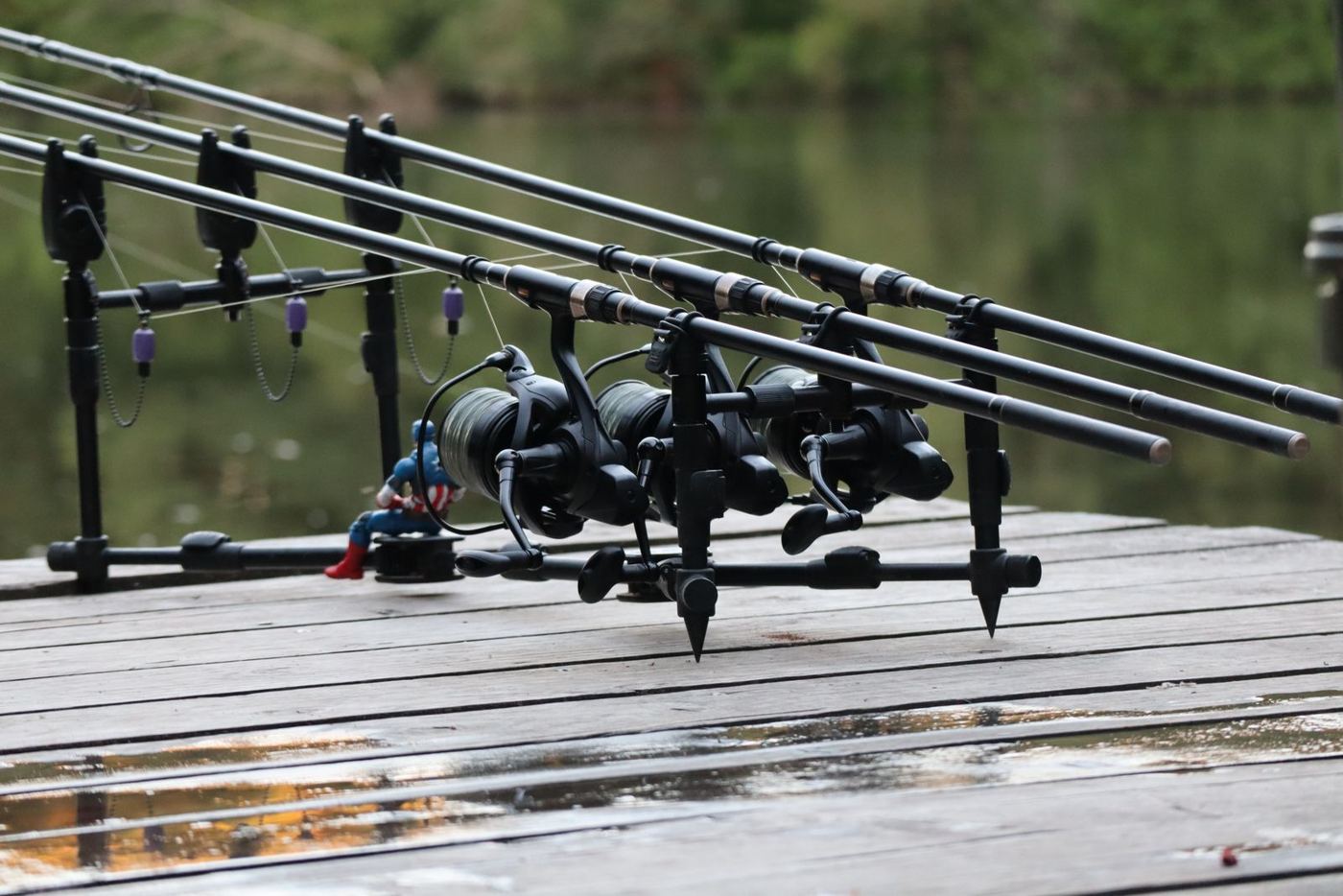
How Do Bite Alarms Work?
A bite alarm turns movement of your line into sound and light. Here is what happens inside one, from the wheel or sensor to the receiver in…
 02
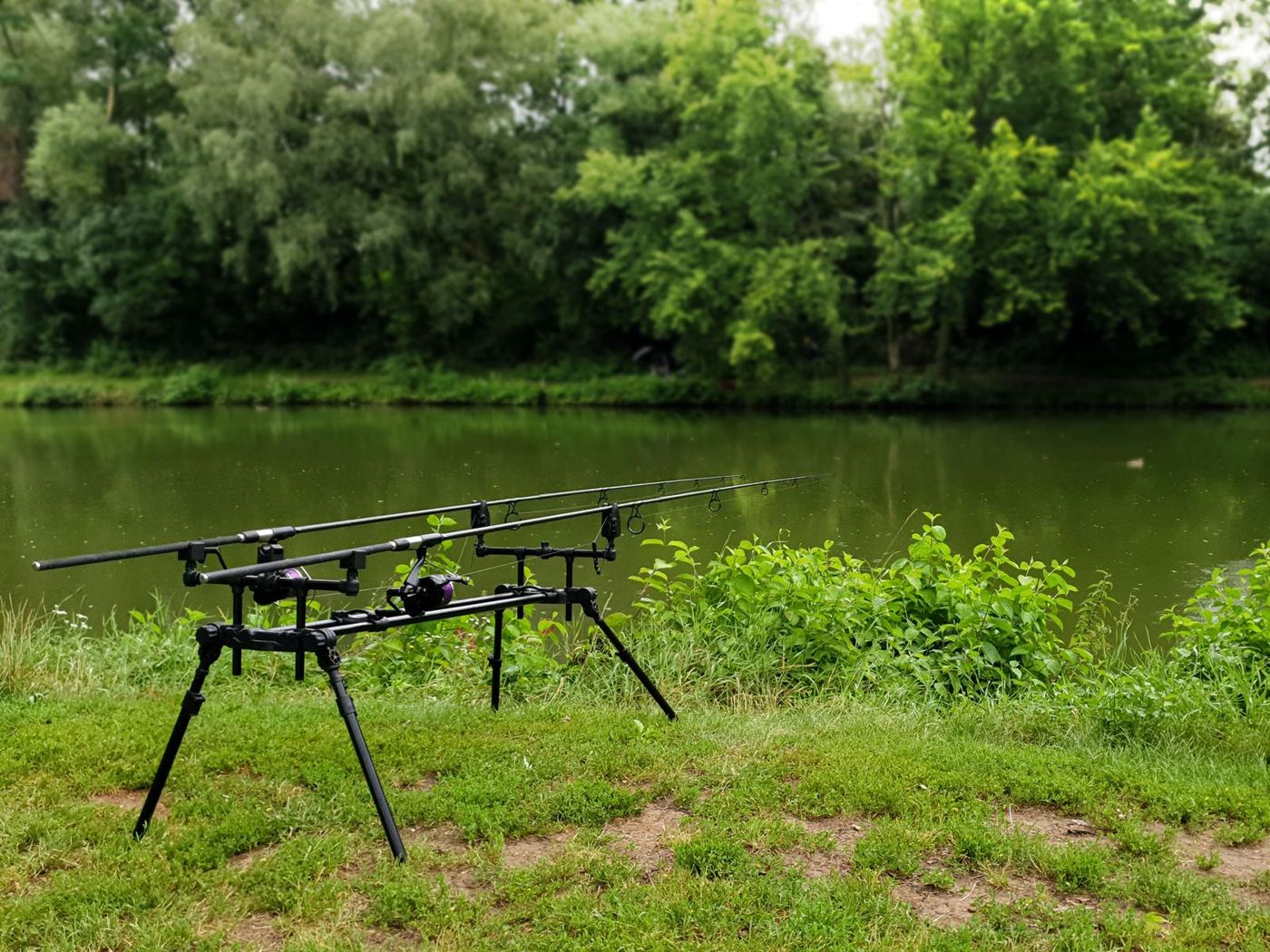
Bite Alarm Comparison Table
Sixteen alarms from twelve brands in one table: sensing method, power, receiver and range, with a link to each alarm's full specification…
 03
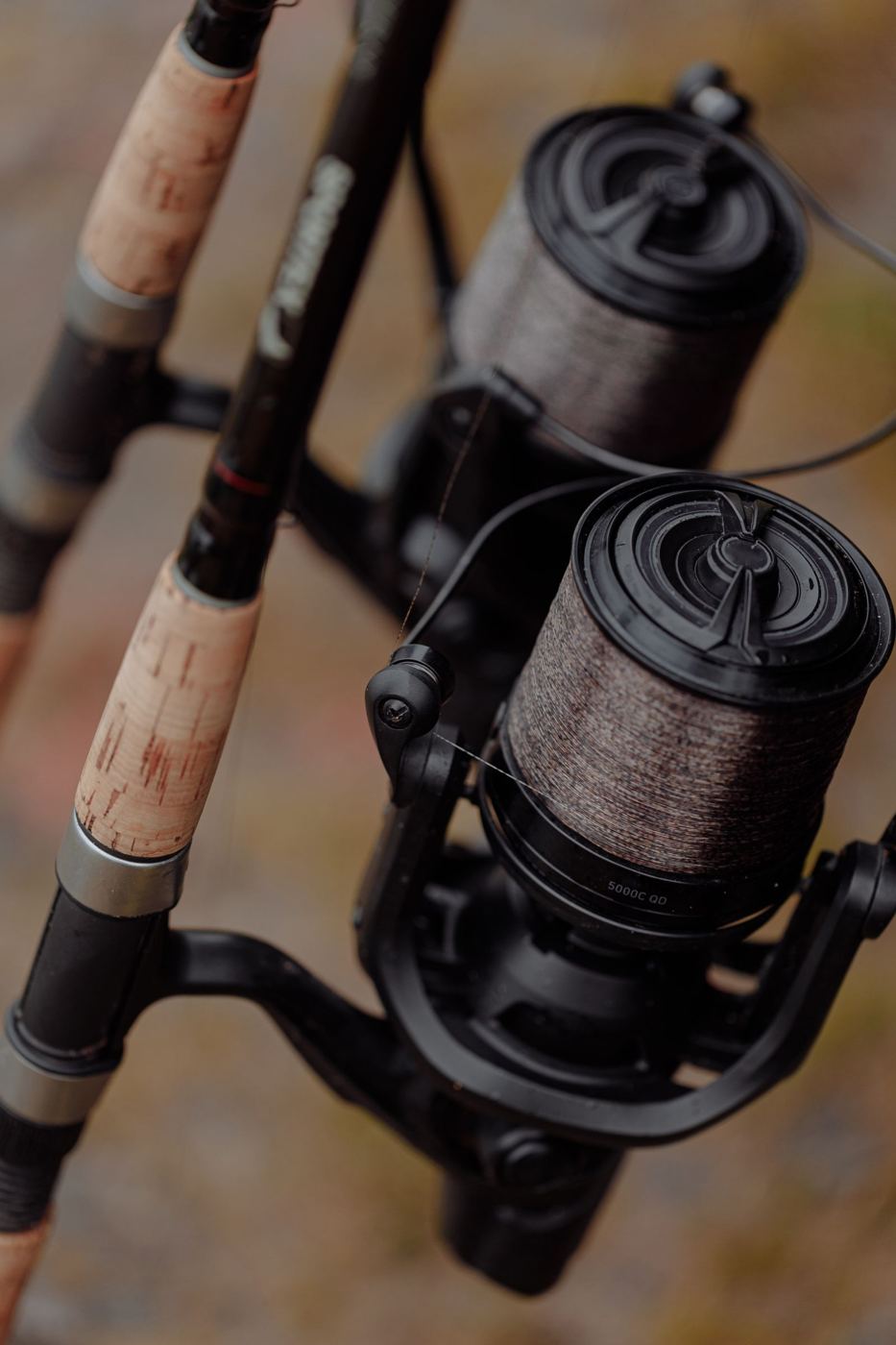
Bite Alarm Specifications Explained
Sensitivity settings, magnets, latching times, range claims and battery types: a plain-English guide to every line on a bite alarm spec…
 04
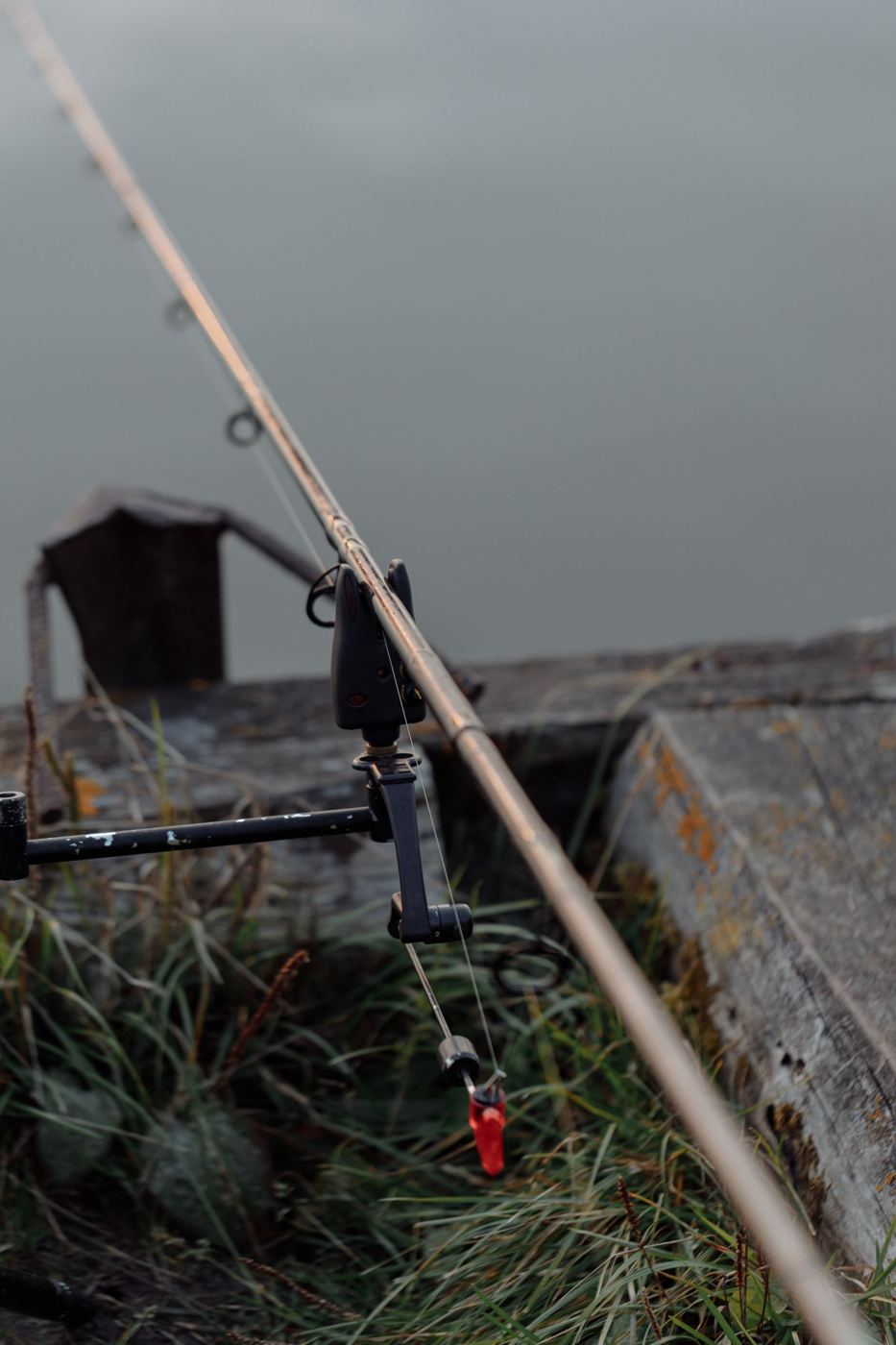
Roller Wheel vs Vibration Bite Alarms
Roller wheel, vibration, dual sensing and speed sensing all work, but they behave differently in wind, rain and frost. Here is how to…
 05
How to Choose a Bite Alarm
Five questions narrow the choice fast. Then we suggest alarms at four budgets, from complete starter sets to flagship systems.
 06
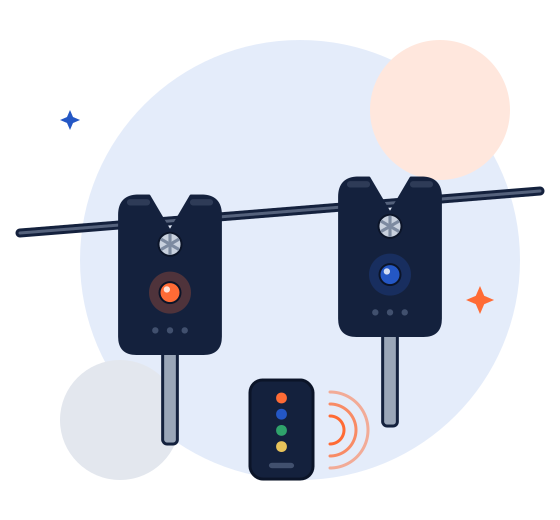
Bite Alarm Receivers: Range, Pairing and Features
A receiver lets you hear a take from your bivvy. Here is how they work, why quoted range is rarely what you get, and which features matter.
 07
Bite Alarm Brands: Who Makes What
Twelve brands make most of the bite alarms sold in the UK. Here is what each is known for and which of their alarms we cover.
 08
How to Set Up Bite Alarms for Clean Indication
Step by step: position the alarms, set the line, choose the right indicator weight and dial in sensitivity so you hear takes, not wind.
 09
Bite Alarm Batteries: PP3, AAA, CR2, 23A and Rechargeable
Which battery your alarm and receiver take, how long they last, whether rechargeables are allowed, and how to avoid a flat alarm…
10
Bite Indicators, Hangers and Swingers Explained
An alarm only tells half the story. Hangers, bobbins and swingers keep the line in contact with the sensor and show drop-backs clearly.
 11
Silent Bite Alarms: Fishing With Receiver-Only Indication
Some alarms have no speaker at all. Here is how receiver-only indication works, when it helps, and the alarms that offer it.
12
Bite Alarm Care and Troubleshooting
No sound, constant bleeps, a receiver that won't pair or an alarm that got wet: how to fix the common problems and keep alarms working for…
13
Bite Alarm Glossary
From buzz bars and drop-backs to piezo sensors and one-toners: the bite alarm terms you will meet, explained in plain English.